5 quick fixes for common solar panel issues
Before you call a technician, try these five checks. Most solar complaints — low output, loose connections, inverter faults, hot spots and charge controller errors — have a simple cause you can find yourself.
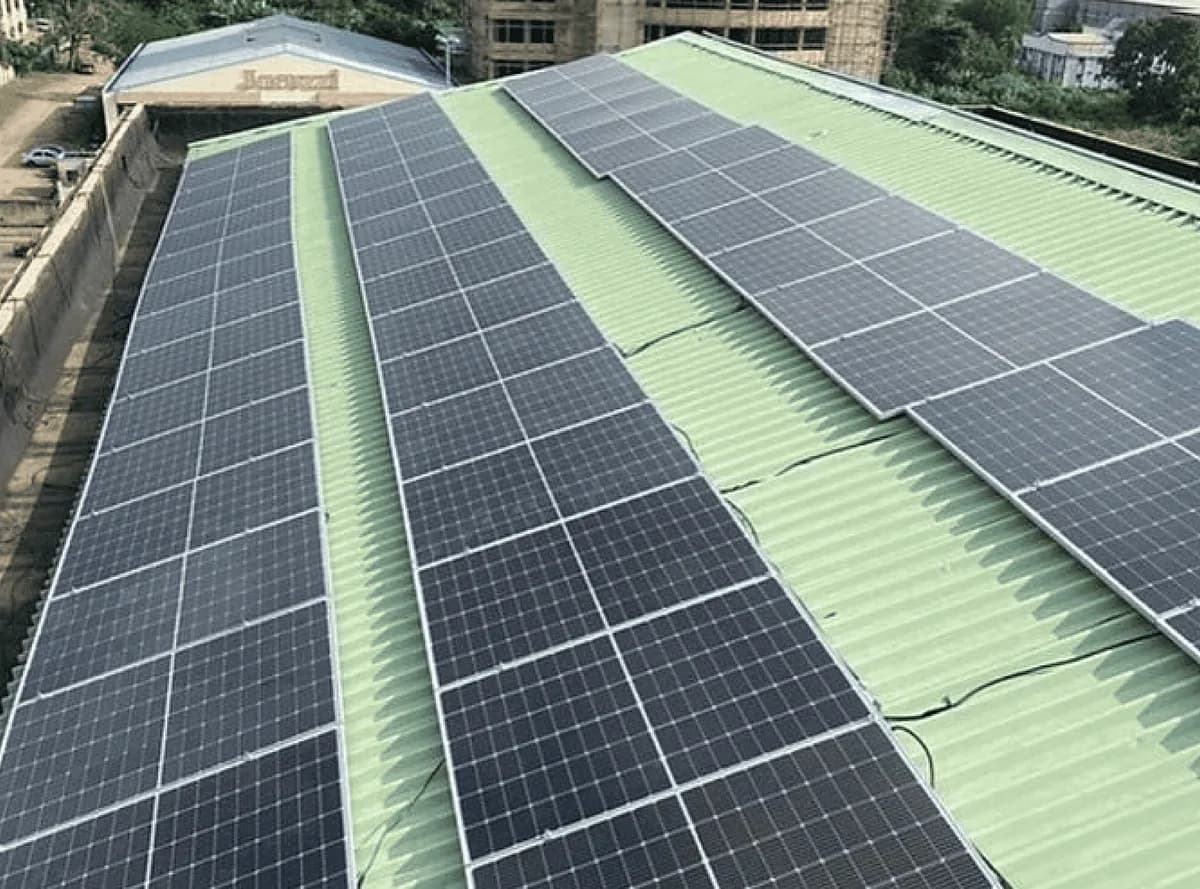
Solar panels are a long-term investment, but like any technology they develop faults. Before you book a call-out, work through these five checks. Each one costs you nothing but a few minutes, and any of them can restore a system that looks dead.
1. Reduced power output
If the system still runs but everything feels weaker than it used to, the array is usually the culprit.
- Check for shading. A tree that has grown since installation can cut output dramatically. Trim it back or move the obstruction.
- Clean the panels. Dust, harmattan grit and bird droppings all block sunlight. Use a soft brush and clean water — never an abrasive pad.
- Inspect for physical damage. Look for cracks, discoloured cells or a brown burn mark across the glass.
2. Loose connections
Loose connections are the most common cause of intermittent faults, and they are also a fire risk.
- Turn the system off at the isolator before touching anything.
- Check every wiring connection at the panels, the combiner box and the inverter.
- Tighten anything that moves by hand — firmly, but not enough to strip the terminal.
- If you are not sure what you are looking at, stop and call a professional.
3. Inverter issues
The inverter tells you what is wrong if you know where to look.
- Read the display for an error code and check it against the manual.
- Confirm the inverter has clear ventilation. A unit boxed in without airflow will derate or shut down.
- Reset it following the manufacturer's sequence, not by flipping the breaker repeatedly.
- If the fault returns after a reset, it is a technician job.
4. Hot spots
A hot spot is a cell or connection heating up because current is being forced through a fault. It shows as a discoloured patch on the panel or a reading that is out of line with its neighbours.
- Compare panel temperatures on a sunny day — a noticeably hotter panel is suspect.
- Check for leaves, droppings or debris lying on one section of the array.
- A confirmed hot spot means the panel or its bypass diode needs attention. Do not leave it; hot spots degrade the whole string.
5. Faulty charge controllers
On battery systems, a misbehaving charge controller shows up as batteries that never reach full charge or that bubble and overheat.
- Check the controller's displayed battery voltage against a multimeter reading.
- Confirm the charge profile matches your battery chemistry — lead-acid and lithium need different settings.
- Look for loose sense wires; a bad voltage sense reading makes the controller misjudge the battery.
When to call a technician
Call us if the fault returns after a reset, if you see burning, smoke or a swollen battery, or if the system is under warranty and you want the work logged. Battery servicing, high-voltage work and inverter repair are not DIY jobs.
We cover maintenance, repairs, diagnostics and safety testing across Edo State and nationwide — talk to us and we will tell you what the visit involves before you commit.